Image
Description
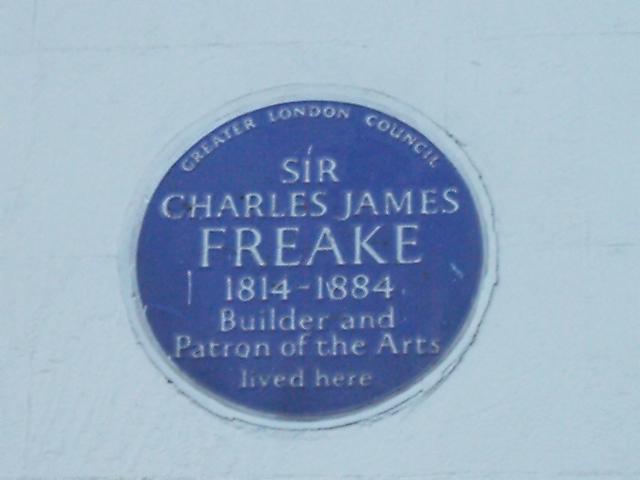

- Blue Plaque to Sir Charles James Freake (1814 to 1884) Builder and Patron of the arts (Blue Plaques)
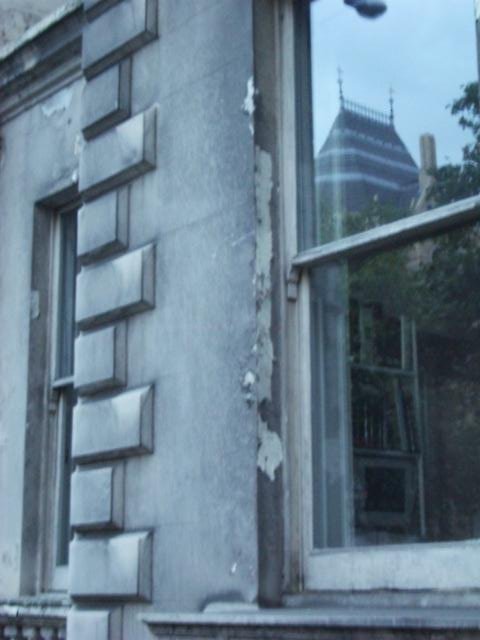
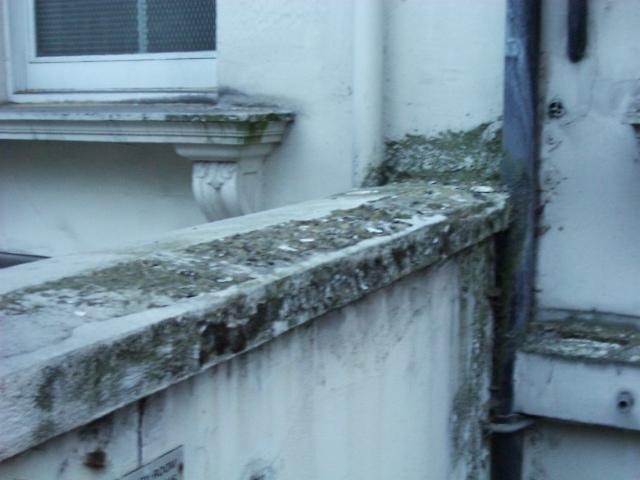
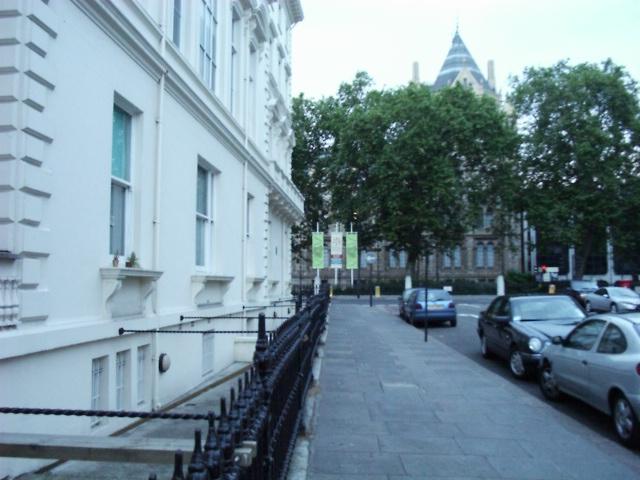
- Boarded up windows in the French Embassy Complex of Shame (FECOS)
Latest information about French Embassy Complex of Shame (FECOS) (London, UK) from the Bold Detective himself
Date: Thu, 24 May 2001 14:29:24 +0100
To: Lachlan Cranswick [lachlan@ldeo.columbia.edu]
From: The Bold Detective
Subject: Re: blue plaque of shame - "ethnically cleansed blue plaque of shame"


Lacklustre

a few months ago it was restored into its full glory.
I guess after the NATO stuff finished? Dunno. Anyway, he was
the yugoslave/serbian prime minister for a while. jovanovich?
I'll check.

Also, the french embasy of shame is being cleaned! And its all
your doing. You are a 'cleansing' warrior!

Min
Date: Fri, 29 Jun 2001 20:50:16 +0100
To: Lachlan Cranswick [lachlan@ldeo.columbia.edu]
From: The Bold Detective
Subject: Re: Accomodation Visit by The Big Fromage


Hey

thanks for the American Footballing JC. Good to see that he is
not playing for the team in red. It sits proudly on my desk, no
doubt burning everything in site a la 'Raiders of the Lost Arc'

Now Visible Blue Plaque of Shame

Professor Slobodan Jovanovitch
1869-1958
Serbian Historian
Literary Critic
legal Scholar
Prime Minister of Yugoslavia
Lived here 1945-1958

(mysteriously the year the war ended).


Also, thanks to you, the French Embassy of shame hotel is
be revamped as well as the embassy itself.

Being hassled by security, so must dash. Whats happening over there?
When is the return? You going holidaying? You at least going to
see some futile yankee sports?

Any news on DND?

Later dude.

Minion
Relevant Links
|
| (Note: descriptions may be incomplete and inaccurate) | |
|
Image |
Description |
|
|
|
|
|
|
|
|
|
|
|
|
|
|
|
|
|
|
|
|
|
|
|
|
|
|
|
|
|
|
|
|
|
|
|
|
|
|
|
|
Upon Westminster Bridge (Sept. 3, 1802) (William Wordsworth, 1770-1850)
Earth has not anything to show more fair:
The beauty of the morning: silent, bare,
Never did sun more beatifully steep
The river glideth at this own sweet will: |
|
London, MDCCCII (William Wordsworth, 1770-1850)
O friend! I know not which way I must look
Or groom! - We must run glittering like a brook
Delights us. Rapine, avarice, expense,
The homely beauty of the good old cause |
|
London (William Blake, 1757-1827)
I wandered through each chartered street,
In every cry of every man,
How the chimney-sweeper's cry
But most, through midnight streets I hear |